
Memphis DUI Records
Memphis DUI records often start at the Memphis Municipal Court and the Memphis Police Department records division, then move into Shelby County court records when a case needs a county-level step. That gives you a strong city path if you want to check a citation, trace a booking, or find a court order. Memphis is busy, but the records trail is still workable if you begin with the right office. A name, a date, and the city court are usually enough to get the search moving.
Memphis Quick Facts
Where to Find Memphis DUI Records
The Memphis Municipal Court is located at 201 Poplar Avenue and handles traffic citations, city ordinance cases, and DUI citations that originate in Memphis city limits. The court has multiple divisions, keeps electronic records for recent cases, and accepts online citation payment through the city site. That makes it the first stop if you want to see whether a city DUI case is open, set for hearing, or already finished in Memphis.
The police records side is just as important. The Memphis Police Department keeps DUI arrest records, incident reports, booking logs, and accident reports through its Records Division. The department offers an online records request system, and the records desk is open during business hours. For the source pages themselves, use Memphis Municipal Court and Memphis Police Department (Records). The city courts portal at memphistn.gov/courts is also worth keeping open.
Shelby County General Sessions Court is a common next step when a Memphis DUI docket needs county-level review.
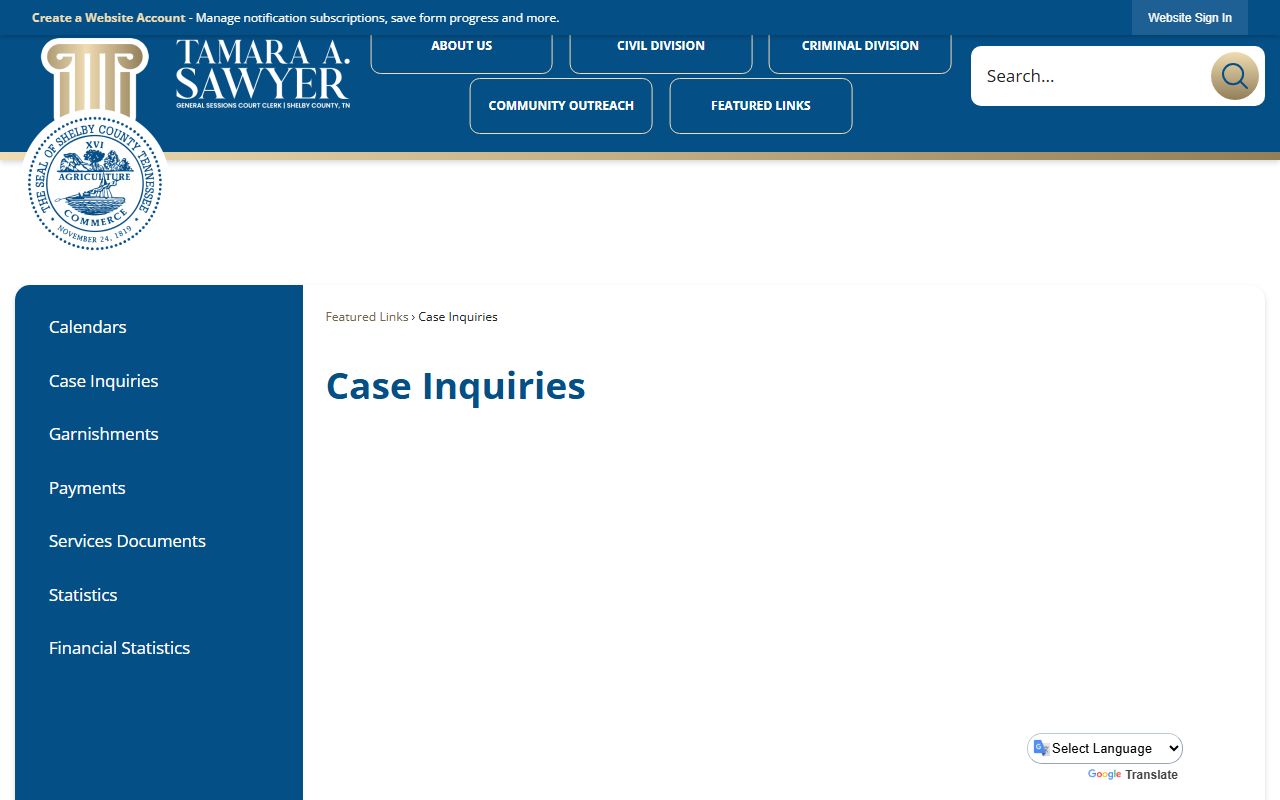
That image fits Memphis well because a city DUI matter can move into county court review, especially when there are later hearings or appeal steps.
Shelby County Criminal Justice Portal is another official route for checking Memphis-related court data when the city court record is only one part of the story.
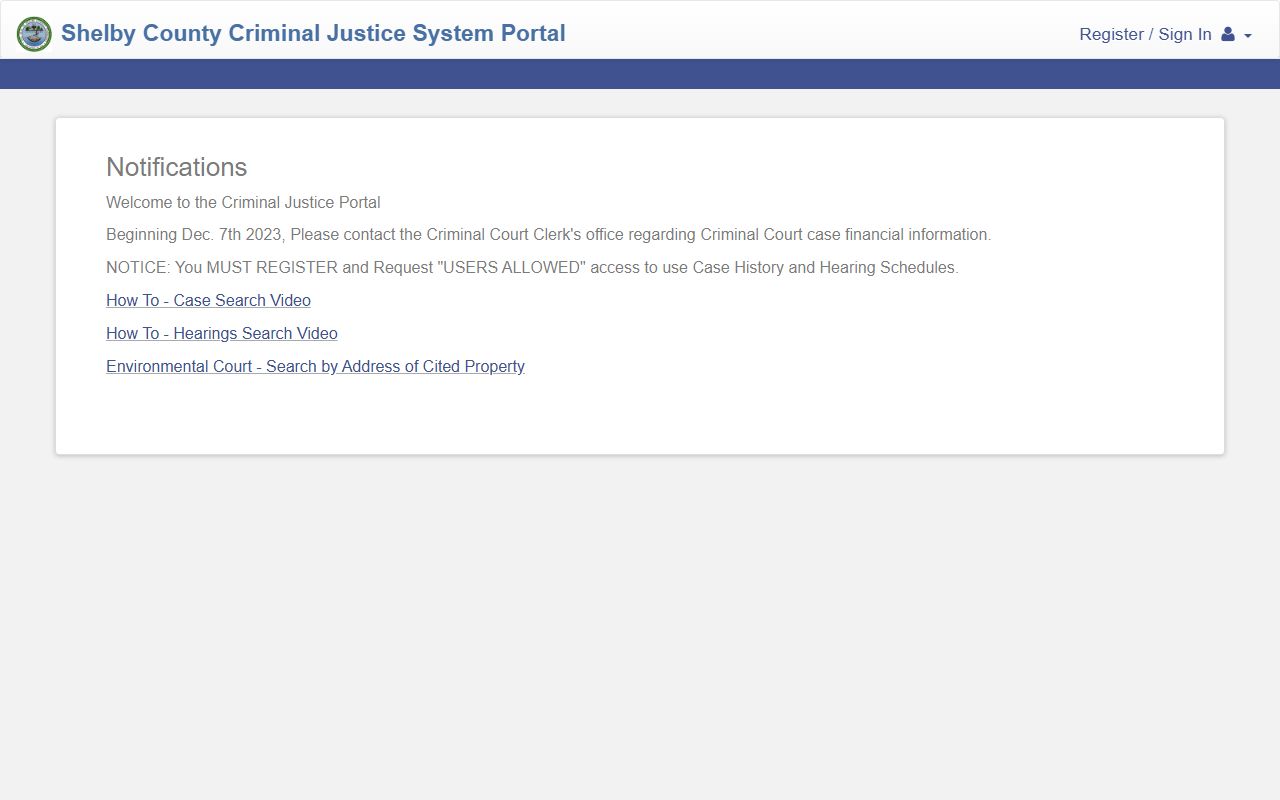
That portal is a good fit for Memphis because the city and county systems often work together on traffic and DUI records.
How to Search Memphis DUI Records
Start with the name, the date, and the office. If you know the case number or citation number, include it. The Memphis Municipal Court can help with the court side, and the police records division can help with the arrest side. Online citation payment can also point you toward the right file if you are checking a more recent matter. In a city this size, a narrow request usually beats a broad one.
For a broader public search, use the Shelby County systems alongside the city pages. The county General Sessions court and the criminal justice portal can show whether a city DUI case has moved beyond the city court file. The Tennessee courts site at tncourts.gov and the Tennessee Online Court Records portal at tncrtinfo.com are also useful when you want a quick case check before asking for copies. If the record has moved into a county or appellate lane, those state tools help you find it faster.
To keep a Memphis DUI search on track, gather this first:
- Full name of the person in the record
- Approximate arrest or citation date
- Memphis Municipal Court or Memphis Police records
- Case number, citation number, or booking number if available
A request under the Tennessee Public Records Act, T.C.A. § 10-7-503, works best when it is direct. Ask for a docket, an incident report, a booking log, or a certified copy. That gives Memphis staff a clear target and reduces the chance of a slow back-and-forth.
What Memphis DUI Records Show
Memphis DUI records can show the city citation, the arrest notes, the court date, and the final disposition. A police report may show the stop location, the arresting unit, and the charge code. The municipal court file may show a docket entry, a bond, a plea, or a final judgment. Memphis also keeps electronic records for recent cases, so newer matters often show up faster than older ones. That matters when you need a quick city result instead of a full file pull.
Tennessee DUI records often include testing or implied consent references, and Memphis is no different. The city record may point to T.C.A. § 55-10-401 or the implied consent rule in T.C.A. § 55-10-406. The court may also offer alternative sentencing for eligible offenders, so the file can show a different outcome than a straight conviction. That is why it helps to look at both the city court and the police record together.
Records are public, but they are not always complete on the first pass. Memphis can take a few business days to process requests, and some details may be redacted or routed through a different office. If the case moved into Shelby County court review, the city file may not tell the whole story. In that situation, the county system and the state portal can fill the gap without replacing the city record.
Requests and Copies in Memphis
The Memphis Municipal Court and the police records division both accept records requests in person or by mail, and the police side also supports online requests. Certified copies are available for a fee, and accident reports may also carry a purchase fee. If you want the quickest response, be exact about the date, the name, and the office. Memphis handles a high case volume, so a clean request helps the staff move straight to the right record.
Memphis also offers interpreter services for court matters, which can be useful if the case is still active and you need to check the docket in person. For city support beyond the court and police offices, the main portal at memphistn.gov is the best place to start. If the matter needs a county-level review, Shelby County Courts is the follow-up official resource. For older files, the Tennessee State Library and Archives at sos.tn.gov/products/tsla can help with historical court material.
Memphis and Shelby County Resources
Memphis DUI searches work best when the city and county records are used together. The city court and police pages handle the immediate records, the Shelby County court portal helps if the case moves on, and the statewide court tools help when you need a quick check before you request copies. The city records are usually the fastest way to confirm a citation, but the county and state pages show what happened after that first step.
If the request seems too broad, the Office of Open Records Counsel at comptroller.tn.gov/office-functions/open-records-counsel can help explain how a Tennessee public records request should be framed. That is useful when a city office needs more detail before it can search.