
Scott County DUI Records
Scott County DUI records are kept through the courthouse in Huntsville, and the search path stays simple if you know which office fits the record. The Circuit Court Clerk keeps the county court file, General Sessions Court handles misdemeanor DUI work and early hearings, and the Sheriff's Office holds the arrest side. That means a good search starts with the person, the date, or the case number, then moves to the office that actually has the paper. In a county this size, focused search terms matter more than broad questions.
Scott County DUI Records Quick Facts
Scott County DUI Records Overview
The Scott County Circuit Court Clerk is the main office for county DUI records. The research says the office is located in Huntsville and keeps records for Circuit Court and General Sessions Court. That makes the clerk the first place to check when you need the court file, a docket line, or a certified copy. Public access is available during business hours, and the office also keeps criminal, civil, and traffic matters together, which helps when a DUI case overlaps with another charge or motion.
Scott County's court setup means a DUI case can show up in more than one place. General Sessions Court handles misdemeanor DUI work and preliminary hearings, while Circuit Court handles more serious matters. The clerk keeps both. The state portal at tncrtinfo.com can help you confirm basic case information before you call or visit. When the county file is thin, that state search gives you a better starting point and can save a second trip to Huntsville.
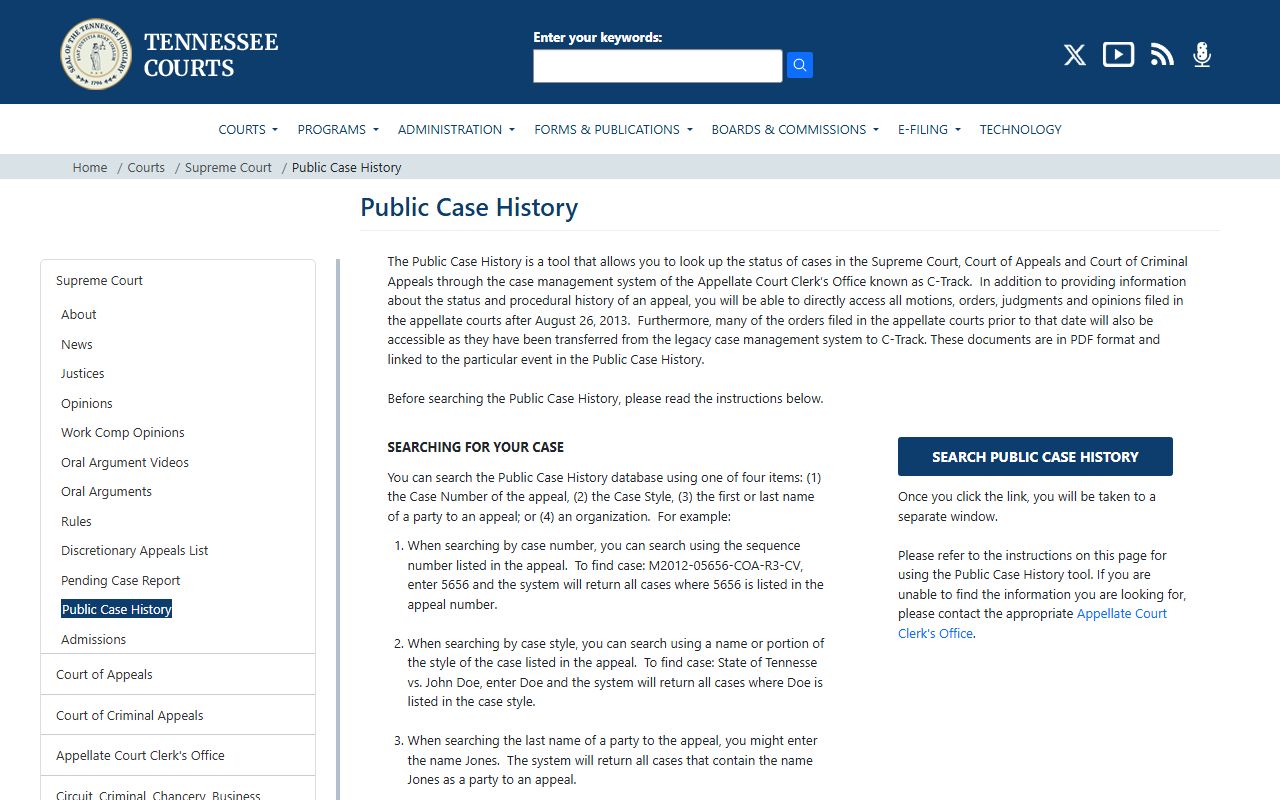
The Public Case History Search is a good fallback when the county office is the one you need to contact next. It keeps the search tied to court records instead of guesswork.
How to Search Scott County DUI Records
Scott County allows requests in person or by mail, and the clerk maintains dockets for all courts. That gives you a few ways to work the search. If you know the person's name and the date range, the clerk can usually help narrow the file path quickly. If you already have a citation or case number, the office can move even faster. The county research also says certified copies are available for legal proceedings, so make sure you tell the office what kind of copy you need.
For broader cases, the Tennessee courts portal at Public Case History can show whether the matter went beyond Scott County. That is the useful state-level backup when the local docket does not tell the whole story. The county clerk gives you the local paper trail, and the state portal shows the later court history. Used together, they are the best route for a clean DUI search in Huntsville.
Have these details ready if you can:
- Full legal name of the person involved
- Approximate arrest or filing date
- Case number or docket number
- The court division if it appears on the paperwork
- Whether you need a docket, a copy, or both
Those facts help the clerk move straight to the right file and keep the request focused.
Scott County DUI Records and Dockets
Scott County General Sessions Court handles misdemeanors and traffic violations, including DUI, and it also conducts preliminary hearings in felony cases. That means the docket can be more valuable than the final paper copy at the start of a search. It may show the first hearing, a reset, or a transfer to Circuit Court. Since the clerk keeps the dockets, you can usually check the status without having to ask a second office for the same basic information.
The docket matters because it shows the flow of the case. If the matter is still active, you may see the next hearing date. If it has closed, you may see the outcome line. That is often enough to tell you whether you need to order a certified copy or whether the docket itself answers the question. In Scott County, that kind of quick check can save a lot of time.
Note: A docket entry is often enough to confirm whether the case is still moving through court or already resolved.
Scott County Arrest Records
The Scott County Sheriff's Office keeps the arrest side of a DUI search. The research says it maintains booking records for all arrests, incident reports, jail records, and accident reports involving suspected DUI. That makes it the right office when you need the first official record after a stop. It is also the office that can tell you whether a report came out of a crash, a checkpoint, or a regular roadside arrest. That first record often matters more than the later court file when the case is still new.
Scott County also says the sheriff works under the Tennessee Public Records Act and provides fingerprinting services. Those details matter because the office can be a source for more than one type of document. If you need the arrest packet, start with the sheriff. If you need the court outcome, move to the clerk. Used together, those two offices give you a full picture of the case from the roadside through the courthouse.
The arrest record is often the fastest way to confirm a DUI stop before the docket line shows up.
Scott County Copies and Fees
Scott County says fees apply for copies and certified documents, and the clerk can provide certified copies for legal proceedings. That means it pays to name the exact document you want. A docket sheet, a booking record, and a certified judgment can all have different copy costs. If you only need to confirm the status of the case, use the docket first. If another agency needs the paper, ask for the certified version after you know the office has the right file.
For license issues tied to a DUI, the state reinstatement page at tn.gov/safety explains the driver side of the case. The county file tells you what happened in court, while the state page explains how a suspension is cleared. Tennessee law also keeps county court records generally open under T.C.A. § 10-7-503, unless they are sealed or redacted. That is why a Scott County DUI record search often starts local and then moves to the state record only if needed.
Note: Check current copy fees before you order, because the price depends on the office and the type of record.
Scott County Public Access
Public access in Scott County is shaped by the office that owns the record. The clerk owns the court file, the sheriff owns the arrest record, and the state portal adds a wider court view if the case moved on. That layered approach is the most practical way to search a DUI case in a county where the same office may hold several different record types. If you keep the request narrow, the search moves faster and the results are easier to trust.
In a county search like this, local first and state second is usually the best order. Use the clerk to confirm the county docket, use the sheriff to confirm the arrest, and use the state portal only when you need the higher court trail. That keeps the search efficient and rooted in Scott County from the start.